The Care Gap of Common Exotic Animals
by Anna Kozaczka
March 1, 2024
Walking in the door of a big box pet store, one is greeted by a wall full of tanks and cages housing a wide range of exotic pets including reptiles, fish, birds, and others. From a quick glance, this seems like a cheap way to obtain a pet without having to go through a hassle. You are able to simply look in the cage, select the one you want, purchase it, and head home. However; when looking with a closer level of scrutiny, those cages and tanks may reveal the dark reality behind the sale of live animals.
Most of us are familiar with the commercial breeding industry or “puppy mills.” In these breeding mills, animals are often raised in inhumane conditions and overbred. This results in struggles for both the pets and the new owner as it will give way for a greater potential of genetically predisposed animals. Oftentimes, parental lineage is not monitored when animals are bred commercially, leading to relatives or sick animals breeding, propagating a weaker genome in offspring. In December 2022, Governor Kathy Hochul signed a law requiring pet stores in New York state to work cooperatively with shelters to provide cats, dogs, and rabbits in their stores versus purchasing animals from a commercial breeder. This law mirrors the paths of California, Maryland, and Illinois who have also barred pet stores from selling commercially raised cats and dogs. While this law is a step in the right direction for our larger companion mammals, many of the smaller animals sold in pet stores are still suffering with no legislation to protect them.

Sadly, exotics are still available for purchase from pet store mills, and that isn’t the only problem. According to the USDA, “Retail pet stores are not required to be licensed and inspected under the AWA [Animal Welfare Act].” Meaning, none of the regulations listed in the AWA apply to your local pet store’s care standards. These pet stores are businesses and must generate a profit and they do so by moving inventory. This business model may work for bags of food or toys, but the sale of live animals complicates matters. Caring for these animals adds additional overhead costs cutting into the store’s bottom line. This care cost differential impacts quality of care, generally resulting in the bare minimum level of care. Enclosures are too small, poor quality food is offered, little to no enrichment is provided, and lack of veterinary care is commonplace in large pet stores. This representation of minimum animal care leads to a spread of misinformation among uninformed customers who are looking to purchase an animal. While Gov. Hochul’s legislation protects larger mammals’ distribution, as well as standard of care, exotic animals are devastatingly being left behind.

Exotic animals typically refer to any animal that has not been domesticated by humans. Cats, dogs, and most barnyard animals are considered domesticated, leaving basically every other animal under the classification of exotics. This means that a goldfish is just as much of an exotic companion as an imported tiger. Small exotics are often marketed as a “starter pet” specifically to children. As these animals are still connected to the wild despite being raised in captivity, their care is much more complicated. They present a variety of challenges from housing standards to behavior management. Because exotics require specialized care, they are likely not a good fit to be cared for by a child without a knowledgeable parent. It is incredibly easy to be led astray by care standards for exotics, as care brochures displayed at the large pet stores perpetuate the trend of survival versus thriving exhibited in sales enclosures.
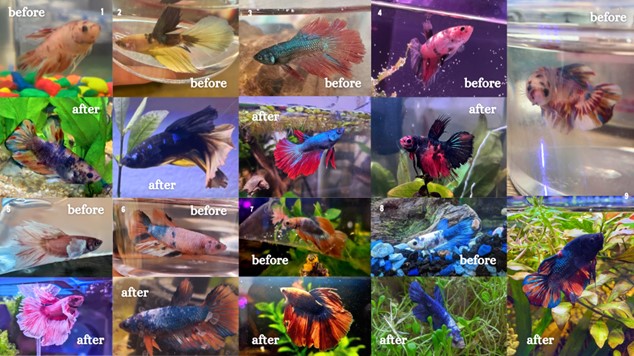
Demonstrating the problem with proper care education, one of the most common pets for a child is a fish. Betta fish or Siamese Fighting fish are a popular pet, admired for their flowing fins and vibrant colors. Misleading information has been spread over the years that these fish can lead happy lives in a bowl, however; this is incorrect. Bettas are a tropical fish that require a warm water temperature. The water in a bowl quickly drops to room temperature, which leads to stress on the fish’s body. Additionally, a fish bowl is incredibly small to be an animal’s only habitat. The buildup of waste and lack of space to move is detrimental to the fish’s overall physical and mental wellbeing. Keeping a fish in a bowl is similar to buying a puppy and locking it in a crate for its entire life. Bettas require filtered and heated water as well as plenty of space to swim. Photos from fish owners across the internet display “glow ups” from betta fish removed from cups and bowls and placed in a more ideal tank habitat. This visual change in the fish’s appearance reflects the importance of a thriving environment for any animal no matter how big or small.
While other exotics may not change completely in appearance as bettas do, appropriate care is just as important for their health and well being. Before purchasing any sort of animal, proper education on their care standards from reputable sources such as veterinarians or focused care associations is crucial. Hopefully legislation to protect these exotics is in their future, until then, sourcing pets from an ethical breeder or shelter rather than a pet store, ensures higher attention to breeding and care standards. Every animal deserves a chance no matter how small.
Sources:
USDA. Licensing and Registration under the Animal Welfare Act, http://www.aphis.usda.gov/animal_welfare/downloads/graybook.pdf. Accessed 21 Feb. 2024.
Home page photo: Green Cheek Conure by Anna Kozaczka
 The New Courier